I. Introduction
In Brazil’s fast-growing port logistics sector, tire performance directly impacts RTG crane uptime, safety, and maintenance costs. This case study focuses on how the 21.00-25 tire model from Forlander, the E3/L3 port tire, successfully improved RTG operations for a Brazilian port customer, delivering durability, stability, and cost-effectiveness under demanding conditions.
II. Customer Background
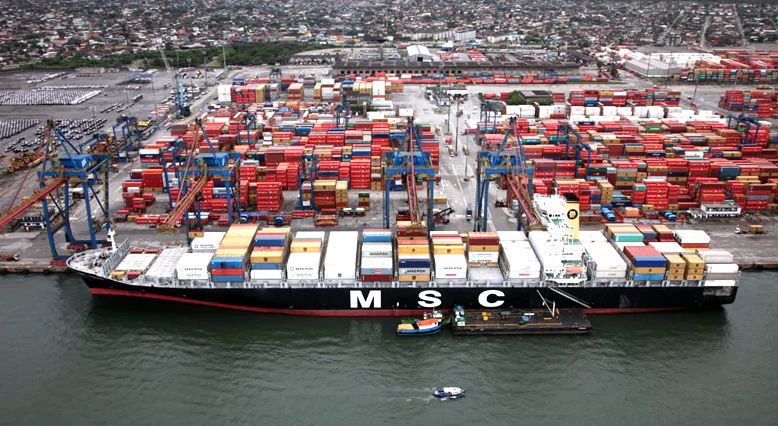
The customer is a medium-to-large container terminal operator in southeastern Brazil. Operations include 18 RTG cranes. These feature 6-8 wheel configurations. Daily handling capacity exceeds 8,000 TEUs. The site runs 24/7 under hot, humid coastal conditions.
Challenges faced:
Frequent wear due to heavy loads and sharp turning
Sidewall damage from uneven yard surfaces
High replacement frequency (every 4-6 months with previous brand)
Rising maintenance and downtime costs
The customer required a more durable, heat-resistant, and cost-effective port tire solution for their RTGs.
III. Forlander Port Tire Solution
Forlander 21.00-25 E3/L3 Port Tire
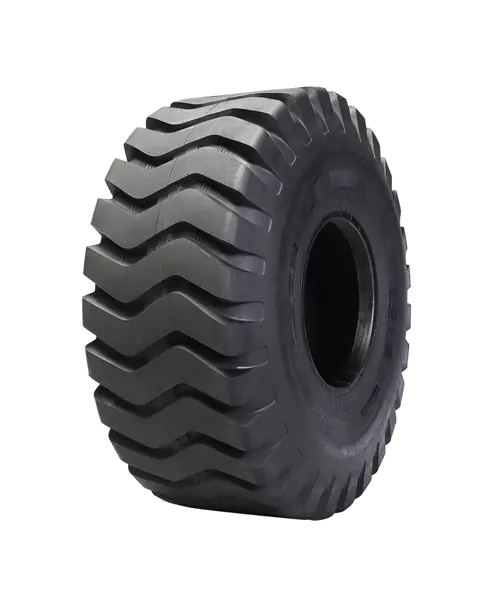
Key technical specifications:
Size: 21.00-25
Pattern: E3/L3 (port/industrial application)
Ply rating: 44 PR
Tread depth: 43.5 mm
Load capacity: Up to 20,000 kg per tire
Application: RTG cranes, reach stackers, heavy port machinery
Design advantages:
- Deep E3 L3 tread pattern maximizes service life
- Reinforced carcass structure enhances heavy-load stability
- Robust sidewall protection prevents cutting and abrasion
- Optimized footprint ensures even pressure distribution
These design principles align with Forlander’s engineering philosophy of improving wear resistance, reducing rolling resistance, and ensuring safety through advanced belt construction.
V. Tire Performance Results
After eight months of real-world operation, the performance results of the Forlander 21.00-25 E3/L3 tire were remarkable:
Extended service life: The customer’s previous tires required replacement every 4–6 months, while Forlander E3 L3 tires achieved 9–12 months of service life — an approximate 80% increase.
Reduced operating costs: Tire replacement frequency was nearly halved, and maintenance costs decreased by approximately 35%.
Stability and safety: The tire provided improved grip, effectively reducing slippage during crane operations, and enhanced structural integrity under full loads.
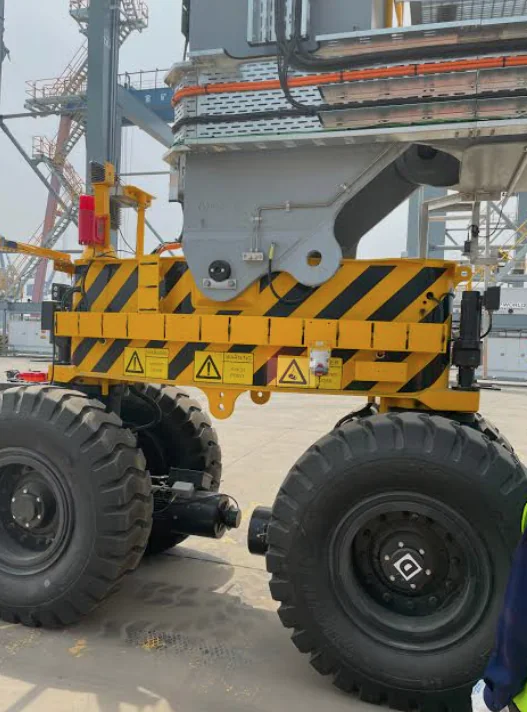
Heat and wear resistance: The tire performed consistently under high ambient temperatures, with minimal irregular wear thanks to optimized tread pressure distribution.
Reduced downtime: Unexpected failures decreased significantly, improving overall equipment availability.
VI. Customer Feedback
The operations manager at the Brazilian terminal shared the following feedback:
“Compared to our previous supplier, Forlander port tires have significantly improved our operational efficiency. Their durability exceeded expectations, and we have noticed fewer crane operation interruptions.”
Additional feedback included:
High satisfaction with wear resistance
Increased confidence in heavy-load handling
Positive evaluation of cost-effectiveness
VII. Future Outlook
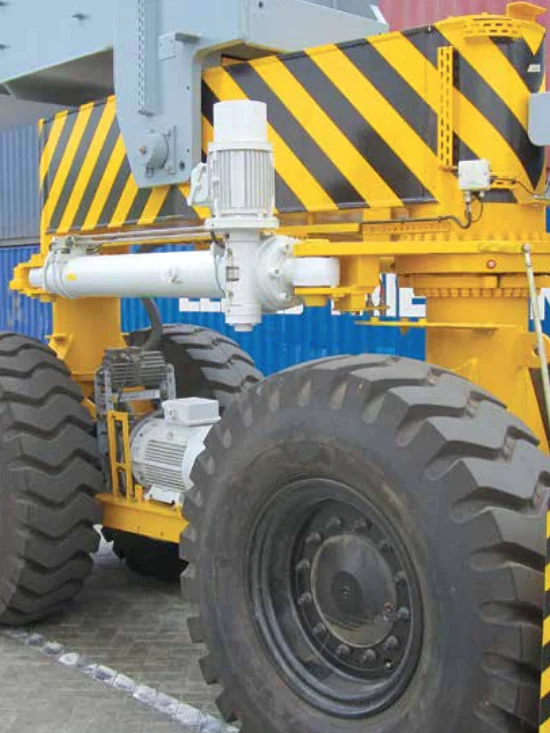
Based on this successful trial, the Brazilian customer decided to fully adopt Forlander’s port equipment tires across all RTG units. They also plan to expand testing to other port equipment types, including reach stackers and empty container handlers. Long-term cooperation negotiations have begun, with future plans including bulk purchase agreements, customized tire solutions for different port equipment, and ongoing technical training and maintenance support from Forlander.
VIII. Conclusion
The real-world application of the Forlander 21.00-25 E3/L3 port tire in Brazil has achieved notable success, demonstrating the critical value of selecting the right tire solution for heavy port operations. By delivering longer service life (extended from 4–6 months to 9–12 months), significantly lower operating costs (approximately 35% reduction in maintenance costs), and enhanced equipment safety and stability. As global port operations continue to expand, high-performance tire solutions such as the Forlander E3/L3 will play an increasingly vital role in improving operational efficiency and reducing total cost of ownership.